 English
  العربية
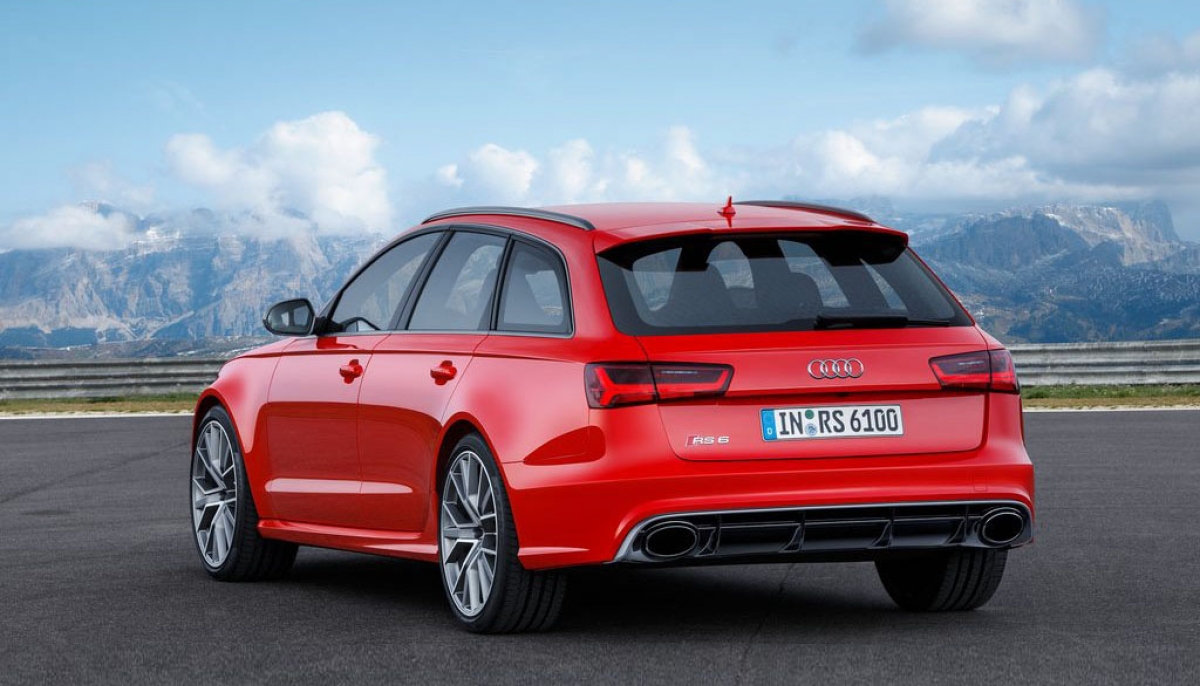
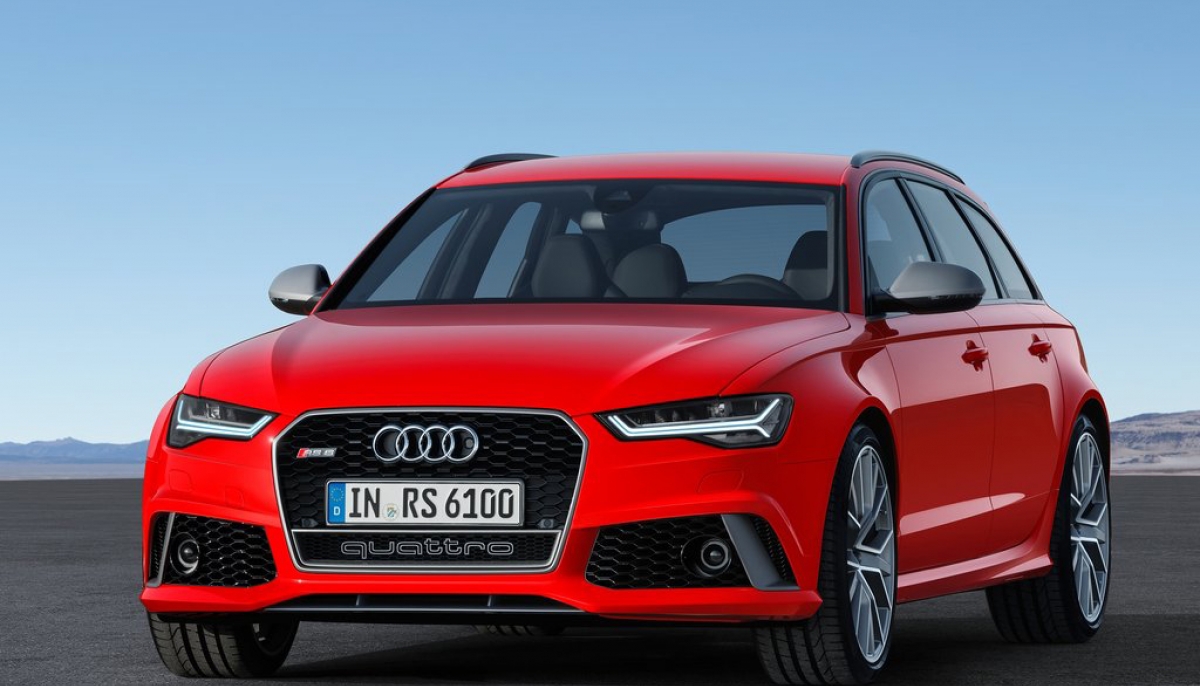
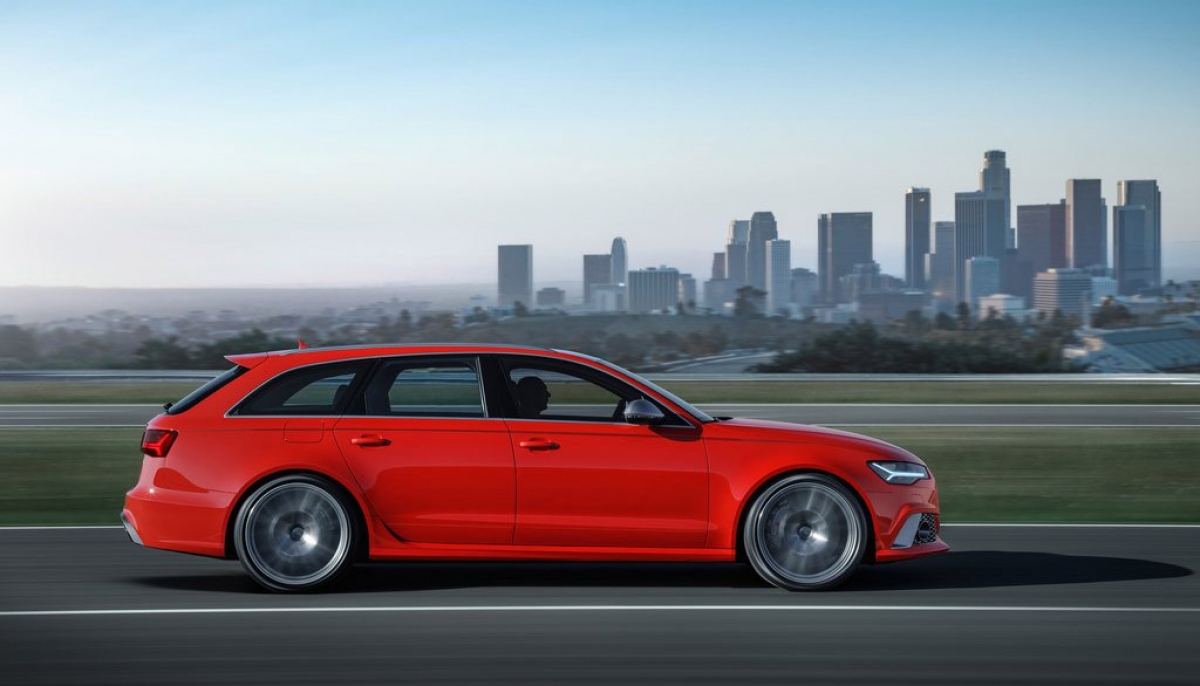
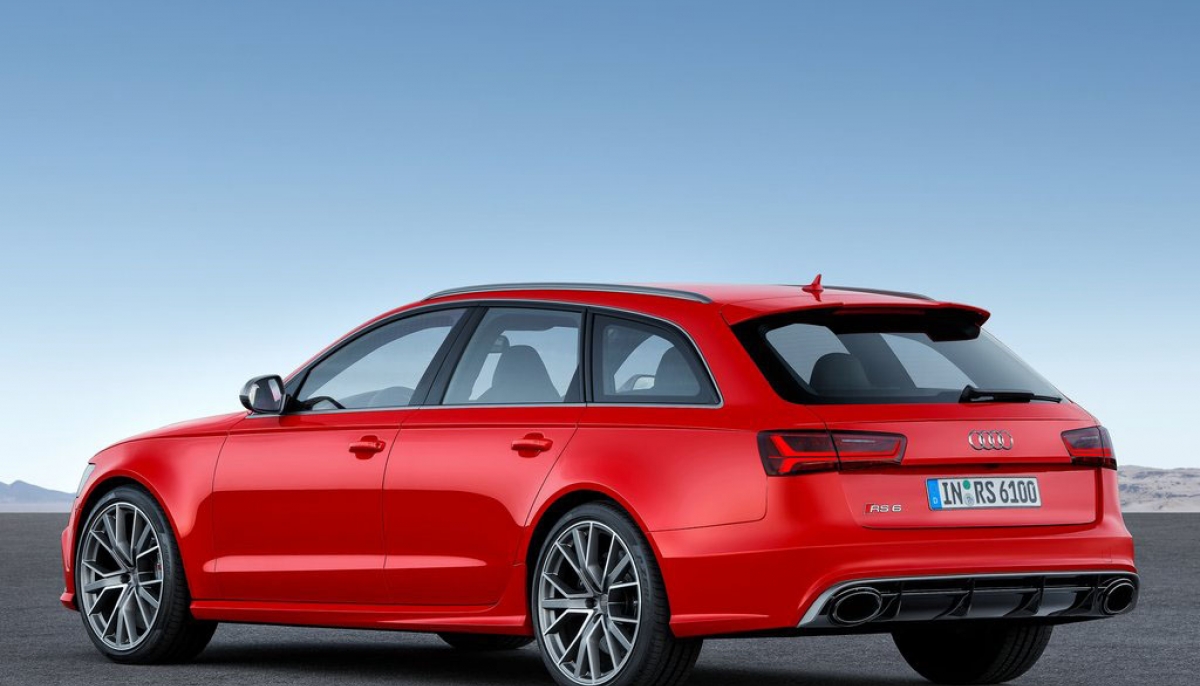
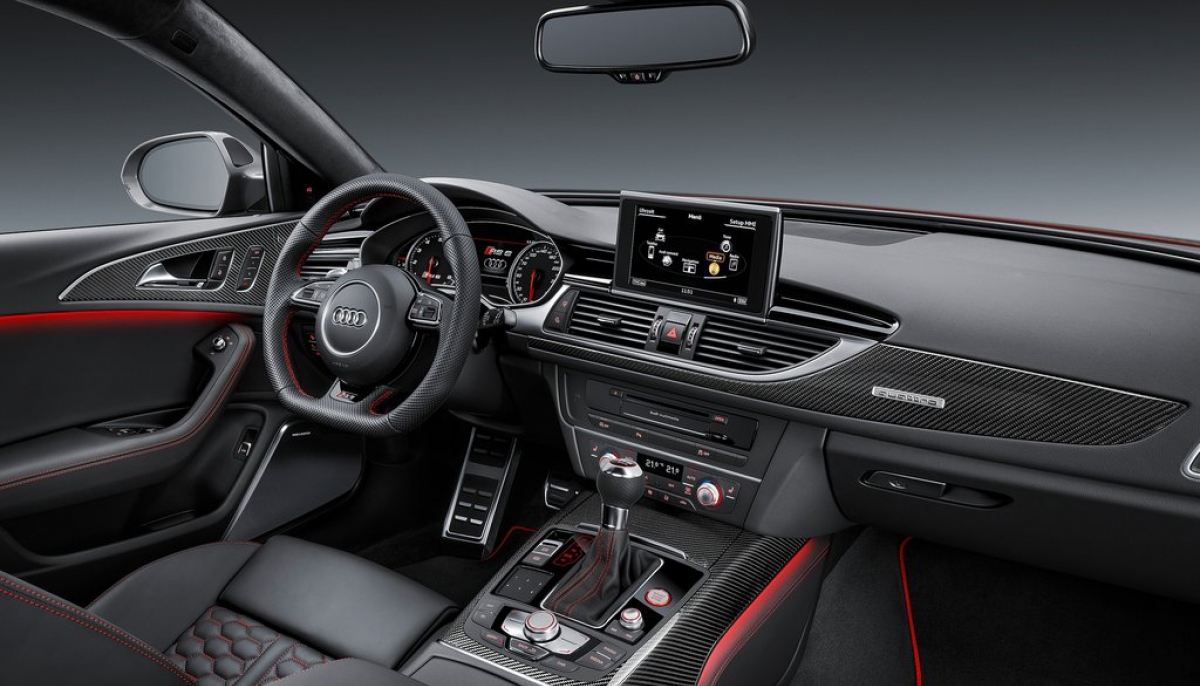
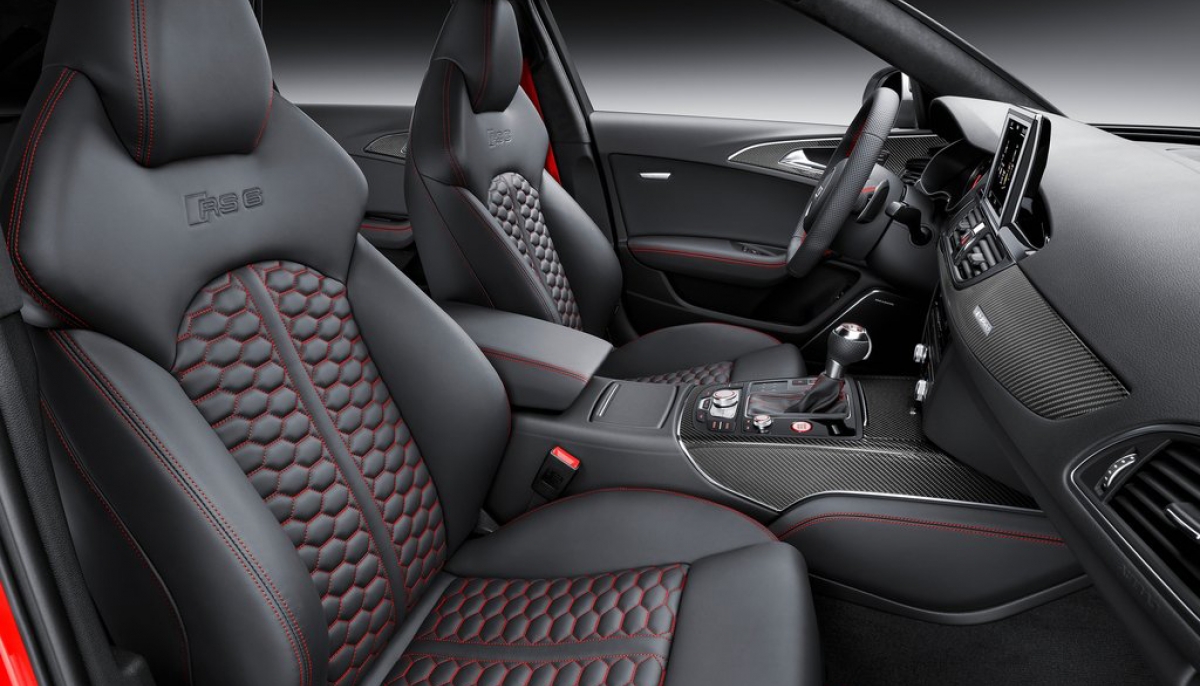
Increased performance and outstanding efficiency - the new Audi RS6 Avant performance top its respective model lines. Their 4.0 TFSI engine with 605 hp and up to 750 Nm of torque push acceleration nearly to levels usually reserved for supercars. Fuel consumption remains unchanged at 9.6 and 9.5 liters per 100 kilometers, respectively, corresponding to 223 and 221 g CO2 per km. These are best-in-segment figures.
Engine
The new RS performance models are equipped with the most powerful version of the free-revving V8 biturbo power unit with a displacement of 3,993 cc. Power output has been increased by 45 hp to 605 hp, which is available between 6,100 and 6,800 rpm. The maximum rpm has thus also been increased by 200 revs. A constant 700 Nm of torque is available between 1,750 and 6,000 rpm. A particular highlight of the engine is an overboost function allowing the driver to temporarily draw on up to 750 Nm between 2,500 and 5,500 rpm. Overboost is activated automatically under full load if the engine/transmission setting is set to "dynamic" mode. The boost pressure indicator in the RS menu turns red when overboost is active.
The high-tech character of the 4.0 TFSI is manifested in numerous details, such as the twin-scroll turbochargers that provide for the early and rapid development of torque, the innovative thermal management and the layout of the cylinder heads. Their intake side is on the outside and the exhaust side on the inside. The turbos and their intercooler are located in the inner V. This layout results in short gas flow paths with minimal flow losses and spontaneous response.
he road performance of the new RS6 Avant performance and the new RS7 Sportback performance speaks for itself: The two RS high-performance models sprint like supercars from 0 to 100 km/h in just 3.7 seconds, an improvement of 0.2 seconds over the respective base RS model.
They need just 12.1 seconds to accelerate from 0 to 200 km/h, 1.4 seconds less than the base RS models. Audi limits the top speed in the standard configuration to 250 km/h. Top speed can be increased to 280 km/h upon request, and 305 km/h is possible with the dynamic package. In the ECE cycle, the 4.0 TFSI still consumes just 9.6 and 9.5 liters of fuel per 100 kilometers, respectively, corresponding to 223 and 221 g CO2 per kilometer.
These top figures for power and efficiency are made possible by the technological expertise of Audi and quattro GmbH. Engineering skills and long years of experience with RS high-performance models enabled further optimization of the 4.0 TFSI, from the specific engine management system with increased rpm and boost pressure to the Audi cylinder on demand (COD) system. At low to moderate load and engine speed, this deactivates cylinders two, three, five and eight by closing their valves and shutting off fuel injection. The high-performance power unit then runs as a four-cylinder engine until the driver presses firmly down on the gas pedal again. The only thing the driver notices is significantly reduced fuel consumption.
Drivetrain
The standard eight-speed tiptronic has been designed for maximum sportiness in both the new RS6 Avant performance and the new RS7 Sportback performance. All gear changes are fast and flexible. The highly efficient oil pump and the heating of the transmission by the engine coolant during the warm-up phase contribute to the high efficiency of the classic torque-converter transmission. A hydraulic accumulator enables the start-stop function. The driver can choose between the modes D and S or change gears manually either by tapping the selector lever or by using the shift paddles on the RS multifunction sport leather steering wheel. In manual mode, a shift indicator in the driver information system (DIS) or optional head-up display indicates the rev limit. While the lower gears of the tiptronic are closely spaced for sporty response, eighth gear is tall to reduce fuel consumption.
quattro permanent all-wheel drive delivers the power to the road and flexibly distributes torque as needed via the center differential. In the standard configuration, 40 percent flows to the front axle and 60 percent to the rear axle. The wheel-selective torque control intervenes as necessary. On request, Audi will combine quattro all-wheel drive with the optional sport differential on the rear axle: It uses two superposition gears to steplessly vary the distribution of the power at the rear axle between the wheels. In fast curves, it literally pushes the RS performance models into the radius.
Chassis
The front axle is a construction with five aluminum links per wheel that can handle longitudinal and lateral forces separately. The Audi track-controlled, trapezoidal link principle is used for the rear axle. The links here are also made of aluminum. Two hydraulically damped bearings join the steel subframe to the body. As with the front axle, the wheel carriers and pivot bearings are made of aluminum and the stabilizer bars are tubes.
The two new RS performance models from Audi come standard with a specifically tuned air suspension. With its dynamic setup, the RS adaptive air suspension lowers the body by 20 millimeters lower. The integrated damping control varies as a function of the road conditions, driving style and the mode chosen in Audi drive select. Audi offers the tauter RS sport suspension plus with Dynamic Ride Control (DRC) as an alternative to the air suspension. It uses steel springs and three-stage adjustable dampers that are connected to one another via oil lines and one central valve each. Another option, which can be integrated into the Audi drive select system, is the dynamic steering with a continuously variable steering ratio.
With the Audi drive select system, the driver can vary the function of key components, including the steering, engine and sound management, the tiptronic and the optional sport differential, between the modes comfort, auto, dynamic and individual. New to the RS performance models is the ability for the driver to select the desired mode without taking his or her eyes off the road using a special button on the RS multifunction sport leather steering wheel, similarly to how it is done in the new Audi R8 high-performance sports car.
The new RS performance models come standard with 21-inch cast aluminum wheels. The RS6 Avant performance gets wheels in an exclusive 5-V-spoke star design in matt titanium look with a gloss turned finish. Wheels with a 5-double-arm design are reserved exclusively for the RS7 Sportback performance. These are also in matt titanium look with a gloss turned finish. Both wheels are optionally available in silver or gloss anthracite black, gloss turned finish.
The four internally ventilated brake discs have a weight-saving wave design, shaving nearly three kilograms compared with a brake system with conventional discs. The front discs measure 390 millimeters in diameter and are gripped by six-piston calipers.
Audi also offers optional carbon fiber-ceramic brake discs, which all together reduce weight by an additional ten kilograms. Electronic Stabilization Control (ESC) has a Sport mode that can be deactivated altogether if need be.
Exterior appearance
Diverse design details reinforce the preeminent position of the two new high-performance models. These include the sportily designed bumpers with large air inlets up front and the heavily profiled diffuser insert at the rear, the gloss black honeycomb grille typical of the RS models and the flared side sills. The RS performance-specific exterior also features a quattro logo on the air inlet duct and striking add-on parts in matt titanium look, including the frame of the Singleframe grille, the front spoiler and the lateral flaps in the air inlets, the trim strips at the side windows, the exterior mirror housings and the top edge of the diffuser insert at the rear of the car. The roof rails of the RS6 Avant performance are also finished in matt titanium look. The familiar matt aluminum, carbon and gloss black styling packages are also available upon request. Audi offers the new Ascari blue, metallic paint finish as an exclusive option for the RS performance models.